


I’m Josie, the Remodeling Designer and Office Manager here at AP. At 21, I’ve grown up around construction and design, and now I have the privilege of leading our creative process and connecting with clients to bring their dream spaces to life. I also create 3D renderings for our client projects to help them visualize the finished design before we even begin. On top of that, I manage our marketing and social presence—so if you’ve seen our work online, I probably had a hand in sharing it!
My roots run deep in Jacksonville, but my story is also shaped by my family’s journey. My parents immigrated from Albania and now work alongside me every day. Together, we’ve built more than just beautiful homes—we’ve built a company grounded in hard work, integrity, and a genuine love for what we do.
| Quick answer: A walk-in shower generally wins on comfort, accessibility, and water use, while a bathtub protects resale value in family homes. The safest move for most Jacksonville and Florida homeowners: a curbless shower in the primary suite, with at least one tub kept elsewhere in the house. |
Bathroom renovations are among the most personal and high-impact changes you can make in a home. Choosing between a walk-in shower and a bathtub isn’t simply a matter of preference. It affects how you use your space daily, shapes your budget, and in Florida’s resale-conscious market, can influence how quickly and how well your home sells down the road. Add in Northeast Florida’s year-round humidity and a fast-growing retiree population, and the decision carries a few local wrinkles that generic remodeling advice tends to miss.
In this walk-in shower vs. tub comparison, we examine the pros and cons of each option through the lens of functionality, cost, design, and practicality. If you’re planning a bathroom remodel in Jacksonville or anywhere else in Florida, here is what contractors and realtors actually recommend.
Walk-In Shower vs Tub at a Glance
| Feature | Walk-In Shower | Bathtub |
| Accessibility | Curbless entry, no step over a wall; supports aging in place | Requires stepping over a wall; accessible versions exist but cost more and take up more space |
| Resale Value | Strong draw for retirees, couples, and buyers in condos or luxury markets | Often expected by families; most realtors advise keeping at least one in the home |
| Maintenance | Grout and glass need periodic cleaning and resealing; no caulk seam to fail at the base | Simpler surface to wipe down, but caulk lines wear and refinishing may be needed over time |
| Comfort | Fast, efficient, spa-like, especially with a rainfall head and bench | Deep soaking and a therapeutic, unwind-at-the-end-of-the-day experience |
| Family Practicality | Efficient for busy mornings; harder to bathe infants and toddlers in | Makes bath time far easier and safer with young children |
| Luxury Appeal | Modern, minimalist, frameless glass, large-format tile | Freestanding, sculptural, a classic spa-inspired centerpiece |
Understanding the Basics: Walk-In Shower vs Tub Explained
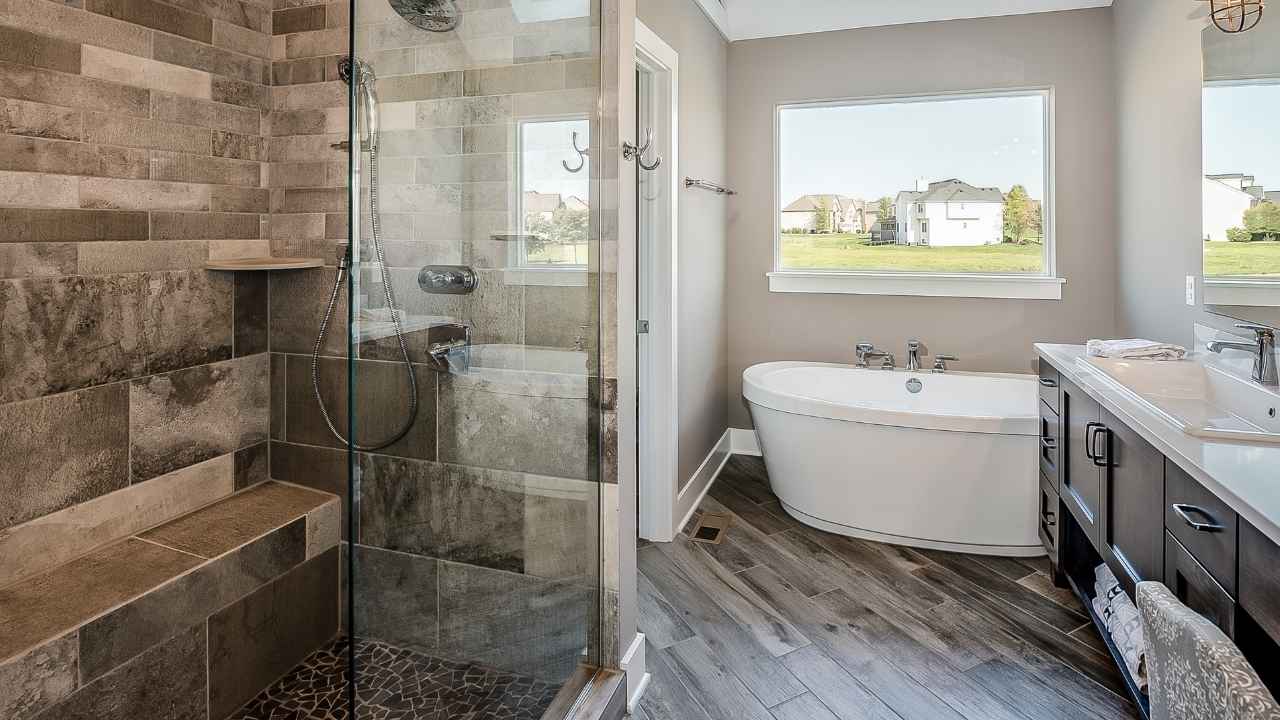
A walk-in shower is a barrier-free or low-threshold enclosure built for a sleek, open feel. Frameless glass, custom tile, built-in benches, storage niches, and rainfall showerheads all contribute to a spa-like experience. Their streamlined appearance makes them highly desirable for modern projects, especially for homeowners who prioritize bathroom accessibility and aging-in-place considerations.
A bathtub is a traditional bathroom fixture designed primarily for soaking and bathing. Bathtubs come in a variety of styles, including alcove tubs (enclosed on three sides), freestanding tubs (often sculptural and decorative), drop-in tubs (set into a built platform), and corner tubs (designed to maximize space). Tubs are typically enclosed and often paired with a showerhead for dual functionality, especially in family or secondary bathrooms.
The walk-in shower vs. bathtub debate isn’t about declaring one universally better than the other, but about choosing the option that best suits your space, lifestyle, and long-term needs. Carefully considering how you plan to use the bathroom on a day-to-day basis, who will be using it, and what your priorities are (accessibility, luxury, family use, or resale value) will guide you toward the right solution for your remodel.
Cost of Walk-In Shower vs Tub in Florida: Budgeting Smartly
Cost is often a deciding factor, especially in full-scale bathroom renovations where every line item matters. Understanding the financial implications of choosing between a walk-in shower and a bathtub helps you plan a smarter, more strategic remodel.
Walk-In Shower Installation Costs
Installing a walk-in shower typically ranges from $3,000 to $10,000, depending on various factors such as materials, size, and labor complexity.
Costs escalate when you add custom upgrades, such as floor-to-ceiling tile work, frameless glass enclosures, linear drains, or built-in benches and niches.
High-end, luxury walk-in showers designed for spa-like experiences can push the cost even higher, especially if intricate tile patterns, specialty plumbing, or steam features are involved.
Bathtub Installation Costs
Bathtub installation is more budget-friendly, ranging from $1,500 to $7,000, depending on the type of tub and project scope.
Standard alcove tubs are generally the most economical, especially when retrofitting into an existing footprint.
Freestanding tubs (especially sculptural or designer models) and tubs made of cast iron or specialty materials drive up costs, often requiring additional plumbing adjustments and reinforcement to support the floor’s weight load.
★★★★★
“Had a great experience working with AP Advanced. We had our shower renovated. They were punctual and very good with communication. The job is beautiful. We will use them again for our second bathroom!” – Christina Michelle M
Space and Layout Considerations: Which Fits Your Florida Bathroom Best?
Your room’s footprint, layout, and existing plumbing infrastructure shape which option actually fits your bathroom remodel, but in Northeast Florida, humidity and moisture management belong in that conversation too.
Walk-In Showers
Walk-in showers are generally more flexible and adaptable to different spaces. They are particularly ideal for smaller bathrooms, where efficient use of every inch is crucial. Corner installations, frameless glass, and linear drains free up floor space, and built-in shelving or a bench can be added without eating into the room’s footprint.
Because Jacksonville and coastal communities like St. Augustine and Amelia Island see high humidity for much of the year, a well-designed walk-in shower needs proper waterproofing behind the tile, a vapor barrier, and adequate ventilation to prevent mold and mildew from taking hold in wall cavities. This is one area where cutting corners on materials shows up fast in a Florida climate.
Bathtubs
Bathtubs typically require at least 5 feet in length, along with sufficient clearance around the fixture for comfort and access. They demand a dedicated zone within the bathroom layout, making them better suited for larger bathrooms or spaces specifically designed around bathing experiences. In master suites or luxury designs, tubs often serve as a central feature and can be placed near windows, alcoves, or in spa-like settings to maximize their impact.
Cast iron and specialty-material tubs also add weight, which sometimes requires floor reinforcement, worth flagging early if you’re working with an older Florida home.
Tub-to-Shower or Shower-to-Tub Conversions
If your renovation project involves converting a tub to a shower (or vice versa), careful planning is essential.
- Evaluate the existing plumbing: Will repositioning pipes be necessary, and how will that affect your budget and project timeline?
- Consider the overall balance of the space: Will removing the tub make the room feel larger and more open, or would it lose a crucial visual anchor that helps ground the design?
- Think about function vs. aesthetics: Sometimes a walk-in shower enhances a room’s spaciousness, while in other cases, a stylish tub can create a luxurious, welcoming atmosphere that feels complete.
Be prepared to budget time for choosing a licensed contractor to properly re-waterproof the space rather than tiling over an old membrane. Our bathroom remodel materials guide covers how to choose materials that hold up to Florida’s humidity long term.
Functionality and Lifestyle: Choosing for Daily Use and Comfort
Your daily routine plays a pivotal role in the tub vs. walk-in shower decision, and understanding your lifestyle needs is key to making the right choice.
Walk-In Showers
Walk-in showers are faster, more efficient, and better suited for the demands of modern everyday life. If your mornings are busy or you’re looking for a quick, no-fuss way to start the day, a walk-in shower can dramatically streamline your routine.
Walk-in showers also offer enhanced accessibility, making them an ideal choice for elderly individuals, those with mobility challenges, or homeowners planning for aging in place. With low-threshold entries and wider doorways, showers create a safer, easier-to-navigate environment.
Bathtubs
Bathtubs, on the other hand, cater to relaxation, wellness, and family needs. If you love winding down with a long soak after a hectic day, a bathtub offers a therapeutic retreat right at home. For families with young children, a bathtub is often essential, making bath time easier and safer. Larger tubs can also provide a spa-like experience, adding a sense of luxury that many homeowners seek.
Who Uses the Space Matters
It’s also important to consider who will be using the bathroom.
- A shared family bathroom typically benefits from the versatility of a tub, especially when children are involved.
- A master suite designed primarily for adults might favor a luxurious walk-in shower that emphasizes comfort, speed, and a modern design.
Ultimately, tailoring your decision to the users and daily habits ensures that your bathroom remodel delivers not just style, but actual functionality and long-term satisfaction.
Florida Aesthetic Appeal: Style, Trends, and Timeless Design
From a design perspective, walk-in showers and bathtubs create distinctly different visual experiences. Understanding these differences can help you align your bathroom remodel with your overall aesthetic vision.
Walk-In Showers
Walk-in showers are synonymous with modern, minimalist design. They emphasize clean lines, open sightlines, and a sense of expansive flow. Frameless glass panels, large-format tiles, curbless entries, and linear drains all contribute to a sleek, streamlined appearance that feels both sophisticated and spacious. Walk-in showers pair beautifully with contemporary, transitional, and industrial styles, blending form and function for a truly modern experience. They are especially effective in smaller bathrooms where maximizing openness and light is a priority.
Bathtubs
Bathtubs, particularly freestanding models, serve as sculptural focal points within a bathroom. Whether oval, rectangular, clawfoot, or asymmetrical, a freestanding tub adds a sense of luxury, indulgence, and timeless elegance. They shine in traditional, spa-inspired, classic, or luxury modern bathrooms, providing opportunities to introduce rich materials, statement finishes, and graceful curves that soften the space.
Depending on the style and finish you choose, such as sleek matte black, hammered copper, or classic porcelain, a bathtub can reinforce and elevate your overall design palette.
How to Choose Based on Style
When deciding between a walk-in shower and a bathtub, consider how your new bathroom will blend with the rest of your home’s aesthetic.
- If your home has a clean, modern, or transitional interior, a walk-in shower will likely complement your space effortlessly.
- If your home features traditional, vintage, or richly layered designs, or if you’re looking for a more luxurious, spa-like atmosphere, a statement bathtub may be the perfect centerpiece.
Ultimately, your choice should strike a balance between personal taste, functional needs, and architectural consistency, ensuring that your bathroom not only stands out but also fits seamlessly into the overall story of your home.
Accessibility, Aging in Place & Jacksonville’s Retiree Homeowners
About 1 in 7 Jacksonville residents is 65 or older, and Florida remains one of the most popular retirement destinations in the country, so aging-in-place planning isn’t a niche concern here. Planning for the future is another important reason why many homeowners choose walk-in showers over bathtubs for their bathroom remodel.
Walk-In Showers for Aging in Place
Walk-in showers are ideal for those who plan to age in place or want to make their home more accessible for everyone. They can be built curb-free (zero-threshold), eliminating the need to step over a tub wall, which is a common tripping hazard.
Add-on features such as grab bars, non-slip flooring, handheld showerheads, and built-in shower seats can be incorporated seamlessly into the design. These elements increase safety and usability without sacrificing style or aesthetics, allowing for a beautiful and barrier-free bathroom that adapts to your needs over time.
Bathtubs and Accessibility Challenges
While bathtubs can be adapted for accessibility, they generally require more effort and space. Options like low-entry tubs, walk-in tubs with doors, and bath lifts are available. Still, they often take up more room, involve greater mechanical complexity, and may not align as easily with modern, streamlined design goals. Additionally, accessible tubs tend to be more expensive and can present maintenance challenges over time.
If long-term safety and flexibility are the priority, a walk-in shower is usually the more future-proof investment, and it’s a major reason Jacksonville’s 55-plus buyers gravitate toward homes that already have one.
Practical Homeowner Concerns: Maintenance, Safety, Water Use & Space
Beyond the big decision, a few day-to-day factors matter just as much once the remodel is finished.
Maintenance and cleaning. Tiled showers need periodic grout cleaning and resealing, and glass enclosures need attention to prevent hard-water spotting, which shows up faster in Florida’s mineral-heavy water. Bathtubs are simpler to wipe down but develop caulk line issues over time and may need refinishing depending on material quality.
Safety and slip resistance. This matters everywhere, but especially in a humid climate where bathroom floors stay damp longer. Textured tile, linear drains, and slip-resistant flooring reduce fall risk in a walk-in shower. A bathtub’s wet, slick surface combined with a wall to step over is one of the more common sources of bathroom falls, which is worth weighing carefully in a household with older adults or young children.
Water usage. An average 8-minute shower uses about 17 gallons of water, versus 35 to 50 gallons to fill a bathtub, a real difference in a state where water restrictions and rising utility costs are common concerns. Water-saving showerheads and thermostatic valves widen that gap further without sacrificing comfort, though habits matter too: even an efficient shower wastes water if it runs longer than it needs to.
Space efficiency. Showers generally make smaller bathrooms feel larger and more open, while tubs need a dedicated footprint that isn’t as flexible. If you’re working with a compact hallway or guest bathroom, our small bathroom renovation ideas guide has more layout-specific tips.
Home Resale Value: What Buyers Want in Modern Homes
If you’re wondering, “Is it better to have a shower or a bathtub when selling your home?”, the answer largely depends on your target buyer and the overall market expectations in your area.
Do Buyers in Florida Still Want Bathtubs?
Yes, a meaningful share of them do.
Families in Florida with young children generally look for at least one bathtub, often in a shared or secondary bathroom, and its absence can be a real drawback for that buyer pool.
Young professionals, couples, and retirees are more likely to prioritize a walk-in shower, particularly in a primary suite.
The practical takeaway for most homes: a primary suite shower plus a tub elsewhere in the house tends to satisfy the widest range of future buyers.
Is a Walk-In Shower Better for Resale?
In a primary suite, usually yes, especially in Jacksonville’s condo, luxury, and retiree markets where low-maintenance, accessible design is in demand. Modern buyers usually prioritize accessible, stylish walk-in showers over traditional tubs, especially in homes where at least one bathtub is used for family needs elsewhere.
What Contractors and Realtors in Florida Usually Recommend
The advice tends to be consistent across both groups. Contractors generally recommend matching the fixture to the room’s actual use: a curbless walk-in shower in the primary suite for comfort and accessibility, and a tub retained in a secondary or family bathroom. Realtors tend to echo that same split, since it protects resale value across the widest buyer pool while still letting homeowners upgrade the spaces they use most.
For homeowners planning to age in place, both groups typically push accessibility features earlier rather than later, since retrofitting a shower for grab bars, a bench, or a curbless entry is far easier during a planned remodel than as an emergency accommodation later.
And for anyone remodeling a coastal property in St. Augustine or Amelia Island, local contractors will also flag building codes and moisture-resistant material requirements specific to that market, which is worth confirming before finalizing a design.
Making the Right Choice: Key Questions to Ask Yourself
Still unsure? Here are some final considerations to help clarify your decision:
- Do you regularly take baths, or is showering your default routine?
- Will children, guests, or older adults use this bathroom frequently?
- Are you more concerned about design, function, or resale value?
- Does your current plumbing and layout support a change?
- Are you remodeling with future mobility or accessibility in mind?
There’s no one-size-fits-all answer to the walk-in shower vs tub debate. The best solution is the one that fits your space, your routine, and your long-term needs.
Turn Your Bathroom Vision Into Reality With AP Advanced
Choosing between a walk-in shower and a tub is just one piece of a larger remodeling journey, and the right call depends on your household, your goals, and your home’s place in the Jacksonville market. Our team works with homeowners across Jacksonville, St. Augustine, Amelia Island, Clay County, and St. Johns to bring clarity and craftsmanship to that decision, from the first design consultation through final installation.
Visit our Jacksonville showroom for hands-on access to materials and finishes, or explore our portfolio to see how we tailor each project to layout, lifestyle, and long-term goals. Ready to talk through your options? Schedule a consultation, and we’ll help you build a bathroom that works today and holds its value tomorrow.